

The Top 10 Best Dog Breeds Ideal for Agility Training
June 16, 2026Agility training for dogs is a popular and exciting dog sport that involves navigating through a series of obstacles, including jumps, tunnels, weave poles, and A-frames, among others, in a set course. Dogs and their handlers work together as a team, aiming to complete the course accurately and in the fastest time possible. Agility training offers mental and physical stimulation, strengthening the bond between dogs and their owners.
What is Agility Training for Dogs?
Agility training is a competitive dog sport that requires dogs to quickly navigate through a variety of obstacles. The handler guides the dog using voice and body signals, directing them through the course as accurately and efficiently as possible. This training demands focus, coordination, speed, and flexibility from the dog and its handler.
Benefits of Agility Training for Dogs

- Physical Exercise: Agility training provides an excellent form of physical exercise for dogs, helping to maintain their overall health and fitness.

- Mental Stimulation: The complex nature of agility courses challenges dogs mentally, promoting problem-solving skills and mental agility.

- Bonding and Communication: Agility training enhances the bond between dogs and their handlers as they work together to overcome obstacles and complete the course.

- Confidence Building: Dogs gain confidence by successfully navigating obstacles, which can positively impact their overall behavior and temperament.

- Obedience and Control: Agility training reinforces obedience commands, helping dogs respond more to their owners' instructions.

- Socialization: Participating in agility classes or competitions exposes dogs to different environments, people, and dogs, improving their socialization skills.
Supporting Active Dogs' Overall Health
Dogs that train and compete in agility have active lifestyles, and many owners look for ways to support their dog's everyday wellness as part of a regular routine. Salmon oil is a popular daily addition to an active dog's diet, providing omega-3 fatty acids EPA and DHA that support healthy skin and coat, joint function, heart function, and a healthy immune system. Salmon oil is typically added to a dog's regular food in a small daily amount based on body weight, and most products include feeding directions on the label. As always, consult your veterinarian before adding any new supplement to your dog's diet.
Unveiling the Best 10 Dog Breeds for Agility Training

Border Collie
Known for their intelligence and athleticism, Border Collies excel in agility training. They have high energy levels, are quick learners, and possess excellent problem-solving skills.
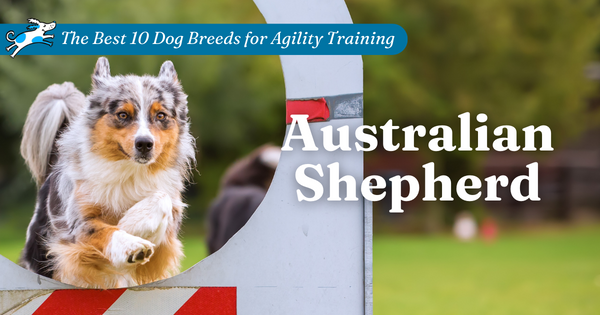
Australian Shepherd
Shepherds are agile, highly trainable, and thrive in physically demanding activities. They have a strong work ethic and are known for their versatility in agility courses.

Jack Russell Terrier
These small but mighty dogs are full of energy and enthusiasm. They are quick, agile, and highly trainable, making them a popular choice for agility training.

Belgian Malinois
Often used in working roles, Belgian Malinois are knowledgeable and possess exceptional athleticism. Their natural agility and willingness to please make them excellent candidates for agility training.

Shetland Sheepdog
Shelties are intelligent, agile, and eager to please. They excel in agility due to their natural herding instincts and ability to follow commands quickly.

Papillon
Papillons are incredibly agile despite their small size and excel in agility competitions. They are intelligent, energetic, and love to learn new tricks and skills.

Golden Retriever
Golden Retrievers also excel in agility training because of their friendly and outgoing nature. They are intelligent, eager to please, and strongly desire to work with their owners.

German Shepherd
German Shepherds are highly versatile dogs and excel in various activities, including agility training. They are intelligent, agile, and have a strong drive to work.

Nova Scotia Duck Tolling Retriever
This breed is known for its agility, stamina, and enthusiasm. They are highly trainable and love to learn new skills, making them ideal for agility training.

Staffordshire Bull Terrier
Staffordshire Bull Terriers are agile, muscular, and highly athletic. They possess great strength and energy and a strong desire to please their owners.
Conclusion
Agility training offers numerous benefits for both dogs and their handlers. It provides physical exercise and mental stimulation, strengthening their bond. When choosing a breed for agility training, it is essential to consider their athleticism, intelligence, trainability, and enthusiasm for the sport. The top 10 breed mentioned in this article have consistently demonstrated these qualities, making them excellent choices for agility training. Remember, regardless of breed; any dog can participate in agility training with proper training, patience, and encouragement.
Frequently Asked Questions
What is the easiest dog breed to train for agility?
Breeds known for high trainability and eagerness to please, like Border Collies, Golden Retrievers, and Shetland Sheepdogs, are often considered some of the easier breeds to train for agility, though any dog can learn with patience and consistency.
Can small dogs do agility training?
Yes, small breeds like Jack Russell Terriers and Papillons are well known for excelling in agility, often outperforming larger breeds thanks to their speed and energy.
At what age can a dog start agility training?
Most dogs can start basic agility foundations and obedience work as puppies, but full jump heights and obstacle courses are typically introduced once a dog's growth plates have closed, usually around 12 to 18 months depending on breed size. Consult your veterinarian for guidance specific to your dog.
