
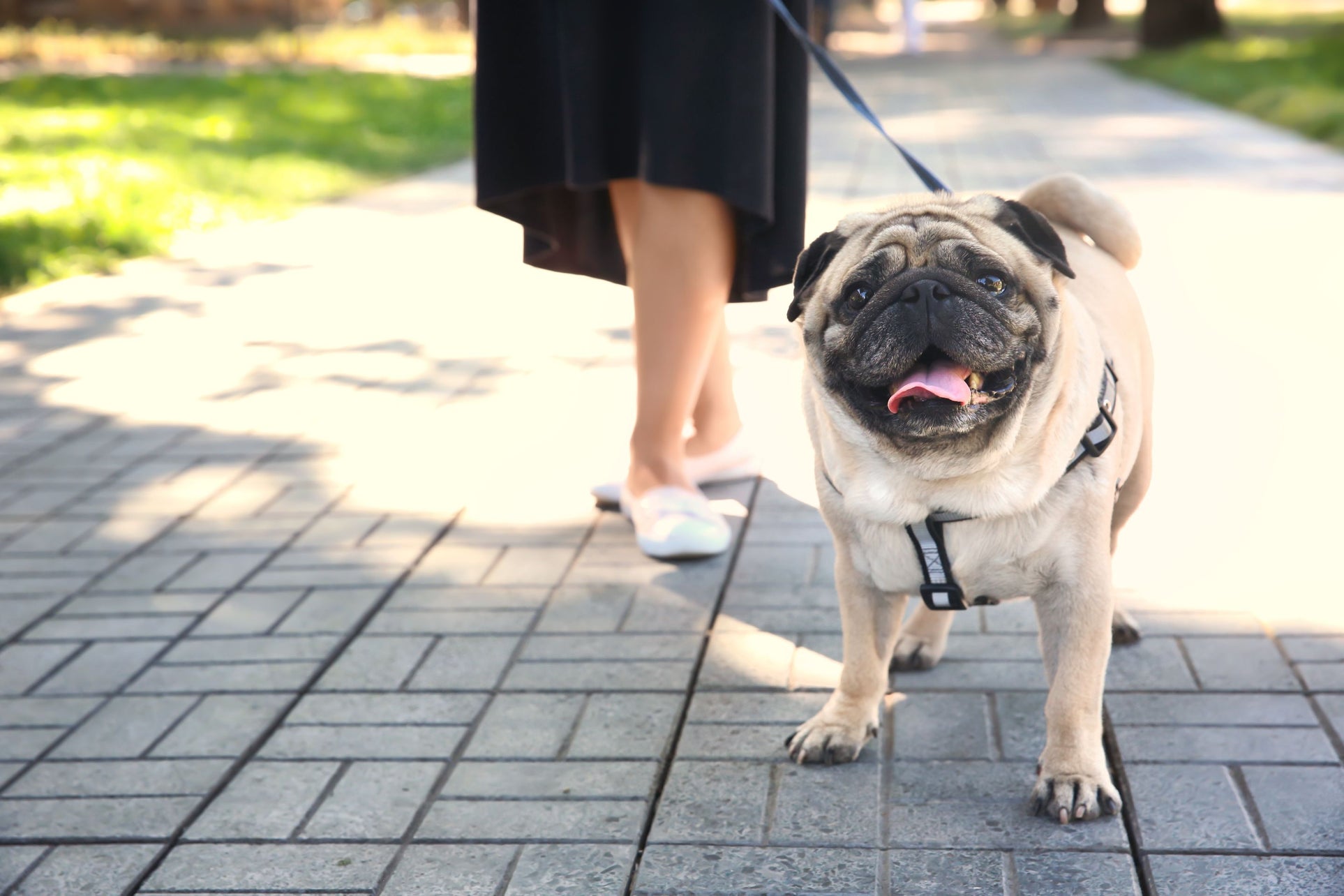
Is pet obesity serious?
October 13, 2021October 13th is pet obesity day. This day was created to help people understand the dangers of pet obesity and prevent it.
Unfortunately, more than 50% of domestic cats and dogs are overweight these days. Just like for us humans, it’s essential to be aware of the dangers for our furry friends as well.
Obesity can lead to diabetes, arthritis, heart disease, and so much more. We want you and your furry friend to live a long healthy life together, so it’s essential to keep them healthy!
Signs Your Pet Might be Overweight
❖ Feel for your dog’s ribs -

It is a significant indicator your dog may be overweight; feel for their ribs. If you can easily find them without having to press hard, then your dog is pretty fit. However, if you have difficulty finding their ribs, there is too much fat in the way, and they are overweight.
❖ Look at your dog from the side -

A dog’s stomach should not be at the same level as their rib cage. If they have a sagging tummy, this is another sign your dog may be overweight.
❖ Are they active - Overweight dogs tend to be inactive and become couch potatoes. If they have trouble walking and even breathing heavily when walking, this is another indication that your pup may need to lose some weight.
❖ Weigh your dog - If you think your pup may be overweight, you should take them to the vet to have a check-up. They will weigh your pet and let you know their thoughts.
Health Risks for Overweight Pets
Those extra pounds can cause some unwanted health issues for your pet. Just like overweight humans, they can develop:
- Diabetes
- Skin problems
- Heart problems
- Joint problems
- Kidney disease
- Canine arthritis
- Certain cancers
- Liver problems
- Mobility issues
- Breathing problems
- High blood pressure
Fortunately, you can help your pet avoid or even reverse these conditions by helping them lose some weight.
Help Prevent Obesity in Your Pet
There are some simple things you can do to help keep your pet at a healthy weight.

→ First off, make sure they don’t have access to food all the time. Provide meals, one in the morning and the other at night, instead of letting them graze throughout the day.
→ Your vet will suggest a diet change to help reduce the calorie intake.
→ Ensure their diet includes plenty of water, vegetables, fruits, and lean meats like turkey or chicken breast with no added fat or fillers. No more dog treats!
→ Be sure that your dog is getting enough exercise every day by taking them for a walk. If they are overweight, start with short distances and gradually increase over the coming weeks.

Prevention Starts with Us
#PetObesityDay Pet obesity is a real issue that affects the lives of both you and your pets. As pet owners, there are many things we can do to keep our furry friends at their ideal weight. And as much as it may seem like an easy fix, prevention starts with us. The best way to prevent pet obesity is by keeping them well exercised and fed properly; this will also help reduce how often they need vet care or medications.
Our pets are family, so it’s important to us that they stay healthy and happy. By being proactive with our furry friends' health care needs now, not only can we keep them living longer but also ensure their happiness when they're around us every day.